Wool vs Synthetic Saddle Pads: Fills Compared
Published · Cornovo Saddlery
Consider a common scenario: a tack-shop buyer splits an order between wool-felt western pads and polyester quilted pads, assuming the cheaper synthetic ones will outsell the wool. Months later the wool pads are gone and the synthetics are still sitting at full price. The shop’s customers — mostly ranch riders — trusted wool under a saddle and didn’t care that the synthetic pads came in brighter colors.
The mistake wasn’t the product. It was buying fill material for the wrong customer. Wool vs synthetic saddle pads isn’t a question with one right answer — it depends on discipline, climate, price point, and who walks into the store.
This guide compares the two fills point by point, in plain buying terms: what each material does under a saddle, where each one wins, and how to build an assortment around your actual customers.
Key takeaways
- Wool regulates temperature and pulls moisture away from the horse’s back; synthetic fills are lighter and dry faster after washing.
- Wool-felt western pads remain the traditional premium choice — most high-end western pads still use wool or wool-blend felt.
- Synthetic fills (polyester fiberfill, foam) cost less and hold bright, fashion-driven colors wash after wash.
- Neither fill fixes a bad fit: pad shape and thickness matter as much as the material inside.
- Most successful assortments carry both — wool for performance-minded buyers, synthetic for price and color range — weighted by customer type.
What is a saddle pad fill?
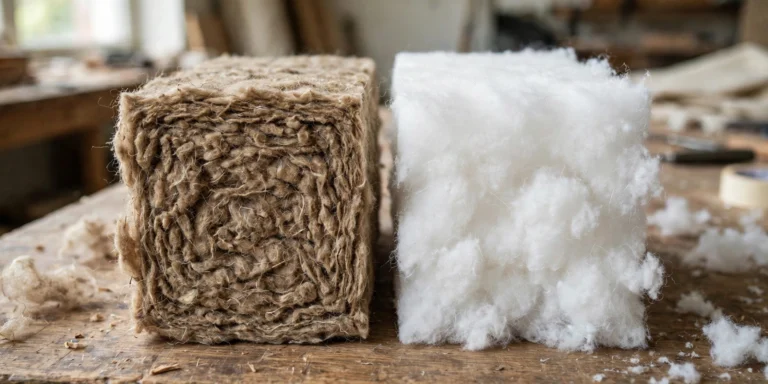
A saddle pad fill is the cushioning layer sandwiched between the pad’s outer shell and its underside lining. It absorbs pressure, manages sweat, and gives the pad its thickness and loft. Common fills include wool felt (pressed wool fibers), polyester fiberfill (lofty synthetic batting), foam sheets, and blends of these — and the fill choice drives the pad’s price, weight, care needs, and feel under the saddle. Our guide to how saddle pads are made shows where the fill sits in the full construction.
Wool vs synthetic saddle pads: how do the fills compare?
Here is the head-to-head comparison buyers actually use when choosing between wool vs synthetic saddle pads for their line. Read it as a category guide: individual products vary with construction quality, and the exceptions matter as much as the rules.
| Property | Wool / wool felt | Synthetic (polyester fill, foam) |
|---|---|---|
| Moisture management | Wicks sweat away from the skin and absorbs a large share of its weight in moisture | Moves moisture along the surface but absorbs little; dries faster after washing |
| Temperature regulation | Insulates in cold, breathes in heat — the classic all-season fiber | Can feel warmer in hot weather; less natural breathability |
| Weight | Heavier, especially when wet | Lighter dry and stays light when damp |
| Pressure distribution | Felt compresses evenly and conforms to the back over time | Foam gives consistent loft; fiberfill can shift or clump if poorly quilted |
| Durability | Very long-lived if kept dry and aired; felt resists compression set | Good, but low-grade fiberfill flattens with heavy use |
| Washability | Needs cold water and gentle handling; agitation and heat cause felting and shrinkage | Machine washes easily; tolerates warmer water and faster drying |
| Color range | Takes dye well but the palette skews natural and muted | Holds bright, saturated colors and prints wash after wash |
| Odor | Naturally resists odor buildup | Can hold sweat smell if not washed regularly |
| Typical cost | Higher — wool is a commodity-priced natural fiber | Lower — polyester is cheap and price-stable |
When is wool the better choice?
Wool wins wherever the horse works hard and the rider buys on performance rather than fashion. That means ranch and rodeo riders, long trail rides, and anyone riding in variable weather. A wool-felt western pad — commonly around 3/4 inch to 1 inch thick in the premium segment — molds to the horse’s back over the first weeks of use, which is exactly what buyers of contoured western pads are paying for. Our thickness and fill guide covers how fill depth interacts with discipline.
Wool also wins on story: 100% wool felt is a selling line that needs no explanation at a western tack shop. If your customers already ask for wool by name, a synthetic alternative won’t convert them — it will just sit next to the wool pads looking like the cheap option.
When does synthetic make more sense?
Synthetic fills win on price, color, and easy care — the three things that move volume in English-discipline retail. A junior rider’s parent buying a third schooling pad cares about machine-washability and price, not fiber content. Dressage and jumping pads live on fashion cycles, and polyester shells with synthetic fill take the bright colors, contrast bindings, and seasonal prints that drive those cycles. Our western vs English comparison explains why the two disciplines buy so differently.
Synthetics also make sense for daily schooling pads that get washed constantly. A pad that goes through the machine twice a week will outlast its wool equivalent simply because it tolerates the routine.
What about wool-blend fills?
Blends — commonly wool mixed with polyester or other synthetics — are the compromise most of the mid-market actually buys, and they soften the wool vs synthetic saddle pads trade-off nicely. A blend keeps much of wool’s moisture handling and hand-feel while cutting cost and improving wash tolerance. When a supplier quotes wool blend, ask for the exact percentage: a high-wool felt behaves very differently from a low-wool one, and your price should reflect the difference.
Which should a retailer stock?
Stock both, but weight the split by your customer base — and treat any split below as a starting hypothesis to adjust against your sell-through, not an industry rule. A western-focused ranch shop might open with wool or wool-blend pads as the core and synthetics as the secondary line; an English hunter/jumper shop serving lesson barns often reverses that emphasis. Keep wool in the core, year-round colors (black, brown, natural, navy) where the premium is justified, and use synthetics for seasonal fashion colors where turnover is fast and margins are thinner.
Watch your reorder patterns for the real answer to the wool vs synthetic saddle pads question in your store. If the wool pads consistently sell through in weeks while the synthetics need markdowns, your customers have voted — shift the next buy toward wool even if the unit cost is higher. The reverse applies too: a busy lesson barn that burns through schooling pads will reward the cheaper, machine-washable option every time.
Price architecture matters as well. Position wool as the top tier, blends in the middle, and synthetics as the entry and fashion tier, with clear step-ups between them — in our experience a visible gap of roughly a third to a half between tiers at retail keeps the good-better-best ladder legible. When the wool vs synthetic saddle pads choice is presented as good-better-best rather than either-or, customers self-select into the right product and average ticket rises.
One more practical note: train staff to sell the difference in one sentence. Wool manages sweat and molds to the back; synthetic is lighter, cheaper, and washes easily covers most customer questions and stops the wrong pad going home with the wrong rider.
Requesting a quote: specs to confirm
Fill is only one line of the spec. When you request a quotation, confirm:
- Fill material and blend ratio (exact wool percentage for blends)
- Fill weight or thickness, and shell/lining materials
- Quilting pattern and stitch density for fiberfill pads
- Size grading and shape (contoured vs straight)
- Care label wording matched to the actual fill
- QC method and acceptance criteria — see our OEM program guide for what to put in the tech pack
Frequently asked questions
Is wool always more expensive than synthetic?
In comparable constructions, yes — wool fiber costs more than polyester, and that gap shows in the wholesale price. But the retail math can still favor wool: wool pads commonly command higher ticket prices and turn over steadily with performance buyers, while cheap synthetic pads compete on price alone. Compare margin per square foot of shelf space, not just unit cost.
Do synthetic pads make horses sweat more?
They can feel warmer because polyester absorbs little moisture — sweat sits on the surface instead of being drawn into the fiber. Good designs compensate with breathable linings, airflow channels, or moisture-wicking top fabrics. In hot climates or heavy work, wool or wool-blend pads are the safer recommendation.
Will a wool pad shrink if a customer machine-washes it?
It can, if washed hot or agitated hard — heat plus agitation is what felts wool tighter. That is why wool pads should be washed cold on gentle and dried flat or hung, never tumble-dried. Many defective pad returns are really wash-damage returns; a care card in the package prevents most of them.
Which fill lasts longer?
A quality wool-felt pad that is aired after riding and kept out of the dryer commonly outlasts a budget synthetic pad — felt resists compression and keeps its shape for years. But a well-made synthetic pad with good quilting easily outlasts a cheap wool-blend pad. Construction quality matters at least as much as fiber choice.
Sources & Further Reading
- Saddle Pad Thickness and Fill Guide: Wool Felt vs Foam vs Gel — how fill depth interacts with discipline and horse type
- How Saddle Pads Are Made: Materials and Construction Guide — where the fill sits in the full pad construction
- How OEM Saddle Pad Programs Work — specifying fill and blend ratios in a tech pack
Whether your customers want traditional wool felt, easy-care synthetic, or a blend of both, we produce all three at wholesale with OEM and private-label options. Send your target specs, fill, and quantity — standard MOQ is 50 pieces per color — and we’ll quote your line with pre-shipment QC included.
