
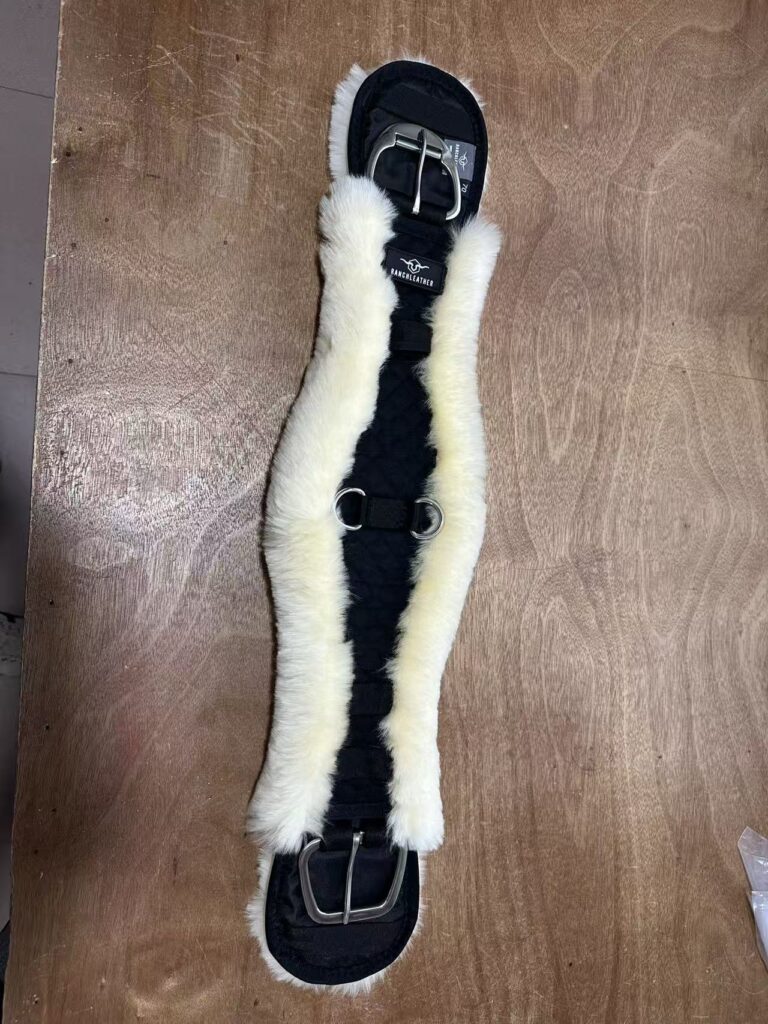
A western cinch is a wear item, not a lifetime purchase. It holds the saddle on through every ride and takes sweat, dust, and grit into its fibres, so it will wear out. The question for a tack shop is how to help customers look after it, spot the end of its life, and replace it before it fails. This guide covers the care routine by material, the warning signs that mean a cinch should be retired, and what to stock so that the replacement is on your shelf when the customer needs it. Shop staff will be asked, How long should a cinch last? — the honest answer is that it depends on the material, the workload, and the care it gets, so teach the checks rather than promising a lifespan.
Key takeaways
- A cinch is a wear item: inspect the buckles, stitching, lining, and edges regularly, not only when something feels wrong.
- Clean by material — mohair, felt and wool, neoprene, and sheepskin-lined cinches each need different care.
- Galls and rubs usually signal friction from a dirty, stiff, or ill-fitting cinch, and a sore horse should rest the area.
- Retire a cinch when stitching, buckles, or lining are damaged; do not wait for it to fail under the saddle.
- Stock the common materials and sizes so a replacement is on the shelf when a customer finds a problem.
What wears out first
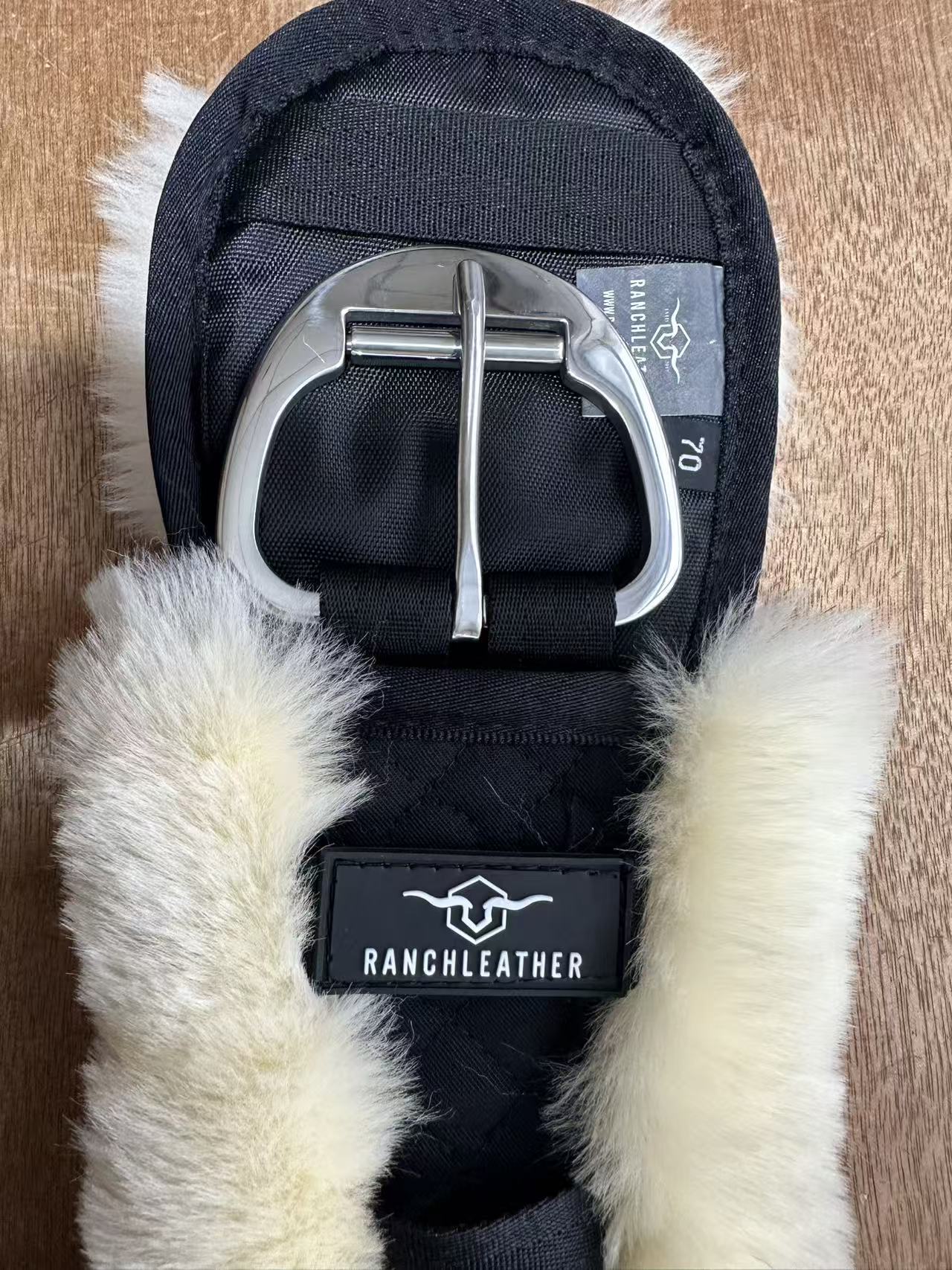
Start every cinch check in the same four places: buckles, stitching, lining, and edges. Buckles should move freely, hold their shape, and show no bending, cracking, or deep corrosion; a buckle that sticks is a safety matter, not a cosmetic one. Stitching should be even and unbroken along the full length, with particular attention where the buckle straps meet the body of the cinch and where the lining is attached — a single broken stitch in those areas can spread quickly under load. The lining is the part the horse feels: on a sheepskin-lined cinch it should be soft, full, and firmly attached, and on a felt or wool cinch it should be even in thickness with no thin or compressed patches. The edges should be smooth and intact, because a frayed or hardened edge concentrates pressure on the skin behind the elbow. Teach staff to run this four-point check with the customer watching — the same habit our guide to when to replace a saddle pad recommends for pads.
Cleaning by material
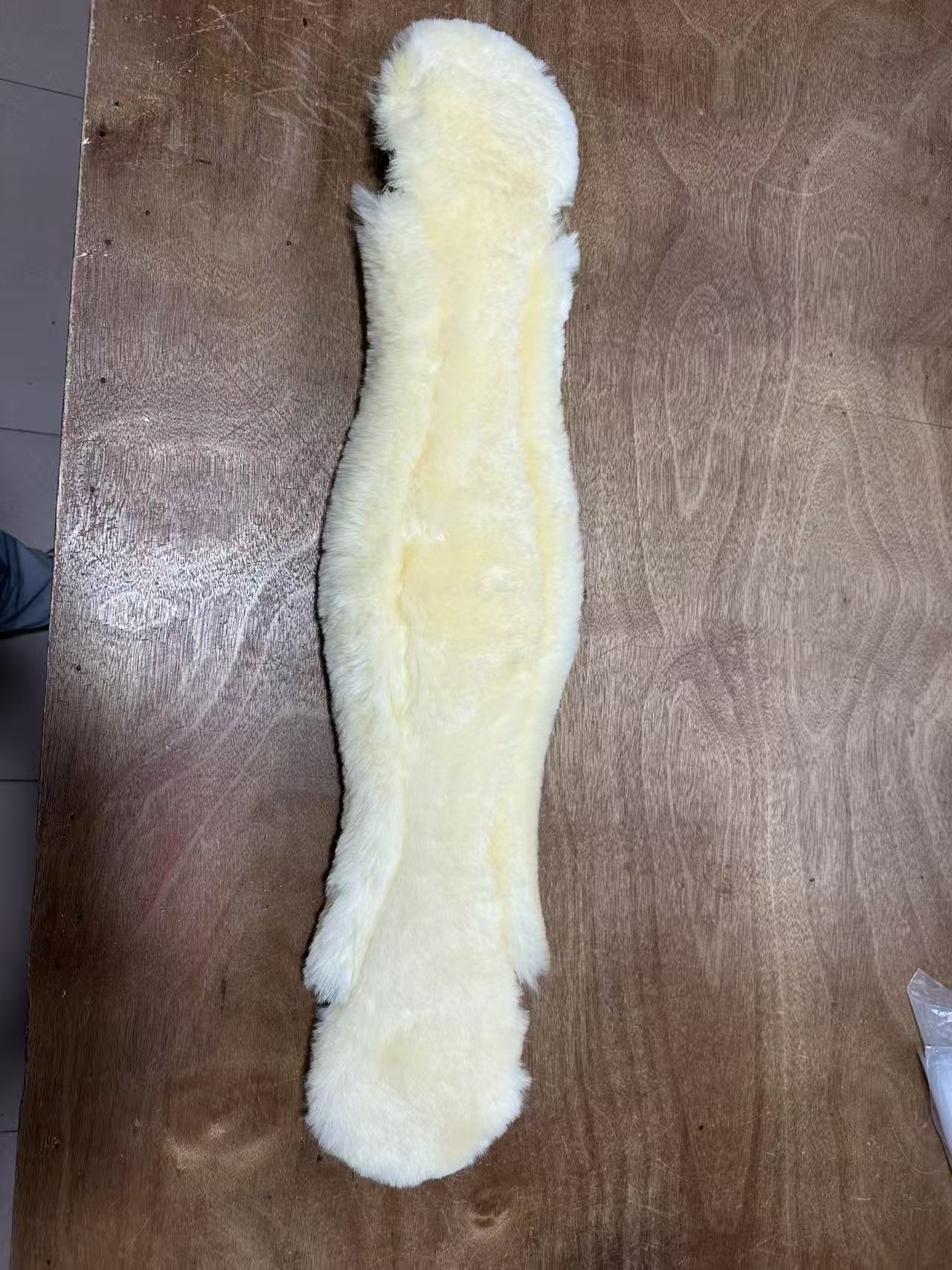
There is no single way to clean a cinch, because the materials behave differently — and the most common care mistake is treating them all the same. Mohair cinches should be brushed free of dried sweat and dirt, rinsed where the maker allows it, and dried naturally; a stiff cord cinch concentrates friction. Felt and wool cinches need the same treatment — brush off the dirt, clean gently, and let them dry fully before the next ride. Neoprene cinches are the easiest to clean, usually with a rinse and wipe, but check them for cracking and hardening as they age. Sheepskin-lined cinches need the gentlest treatment: brush the wool, clean as the maker directs, rinse well, and dry naturally away from direct heat, which hardens the hide and flattens the wool. Whatever the material: never put a dirty cinch back on a horse, and never store a damp cinch in a closed tack room — grit and sweat left in the fibres act like sandpaper on the next ride.
Galls and rubs: what they signal
When a customer comes in with a horse that has sores behind the elbows, the cinch is the first suspect — but it is rarely the only factor, and a good shop will say so. Girth galls are open sores behind the horse’s elbow, caused when the girth pinches and rubs loose folds of skin — typically from a dirty, stiff, or ill-fitting girth, a recent tack change, or a horse not yet conditioned to its work. EQUUS notes a fleece cover over a soft girth can help prevent them, provided it is cleaned often enough to keep its cushioning. Equine World gives the same advice simply: groom before tacking up, use a soft clean girth, and build up unfit horses gradually. For the shop, the advice is threefold: check the cinch is clean, supple, and the right size and material; check the saddle fit, because a sliding saddle drags the cinch with it; and tell the customer to rest the sore. A sore that does not heal, looks infected, or keeps coming back deserves a vet’s opinion rather than a new cinch alone. See our cinch materials and sizing guide when a customer needs to try a different material after a galling problem.
When to retire a cinch
The hardest call in the shop is telling a customer that a cinch they like is finished, so make the criteria concrete and visible. Retire a cinch when the stitching is broken or unravelling at the buckle straps or along the lining, when a buckle is bent, cracked, or corroded, when the lining is matted flat, peeling, or worn through to the body of the cinch, or when the edges have hardened or frayed enough to rub. A cinch that has stretched unevenly — longer on one side than the other — should also go, because it will pull the saddle off-centre no matter how carefully it is adjusted. None of these is a matter of age alone: a lightly used cinch that is cleaned and stored well can outlast a heavily used one that is never cleaned, which is why the inspection matters more than the purchase date. A saddler can often restitch a lining or replace a buckle, but stitching will not hold in rotted or sun-damaged material, and a repair that costs nearly as much as a replacement is rarely the right advice. Keep the old cinch for comparison when the customer tries the replacement. And remind them: after girthing up, stretch each foreleg forward to settle the skin and the cinch into place.
Stocking replacement cinches
A cinch range earns its keep when the replacement is on the shelf at the moment the customer discovers the problem — which is usually the day before a ride, not the week after. Stock the materials your customers use: mohair, felt and wool, neoprene, and sheepskin-lined for sensitive horses. Carry the size run your market needs and label sizes clearly — a cinch that is too short or too long is as bad as a worn one. Our horse girths wholesale guide covers sizing and assortment for English girths. Keep sheepskin-lined cinches with the other sheepskin tack, near the saddle pads. Samples are paid, so order one of each material first and check it in hand before committing. See Cornovo Saddlery for the full wholesale range when planning a combined order.
FAQ
How often should a cinch be cleaned?
After every ride in hot or dusty conditions, and at least regularly enough that sweat and grit never dry hard into the fibres. Brush off dried dirt, clean according to the material, and let it dry fully.
Can a cinch cause girth galls even if it is the right size?
Yes. Size is only one factor: a dirty, stiff, or worn cinch, a saddle that slides, or a horse that is unfit for its current work can all cause galls. Check the cinch, the saddle fit, and the horse’s conditioning together rather than blaming one piece of tack.
Is a sheepskin-lined cinch better for a horse that galls easily?
Often it helps, because the soft wool lining spreads pressure and reduces friction — but only if the cinch fits, is kept clean, and the lining is still full and soft. A flattened or dirty sheepskin lining loses its advantage, so it needs the same care as any other cinch.
When should a customer replace rather than repair a cinch?
Replace it when stitching has torn through the material, a buckle is bent or cracked, the lining is worn through, or the cinch has stretched unevenly. A saddler can restitch a sound lining or replace a buckle, but repairs will not hold in rotted or sun-damaged material.
RFQ checklist: materials (mohair, felt/wool, neoprene, sheepskin-lined) and sizes; buckle type and quality; stitching and thread specification; lining material and attachment; paid sample approval before bulk production; care instructions by material for retail customers.
Sources
- EQUUS Magazine — Treatment for Girth Galls — causes of girth galls, including dirty, stiff, or ill-fitting girths and conformation, plus treatment and prevention.
- Equine World — Girth Galls in Horses — prevention through grooming, a soft clean girth, and gradual conditioning for unfit horses.
